

In electric arc furnace (EAF) steel production, graphite electrode longevity directly impacts energy efficiency, cost control, and environmental performance. According to industry data from the World Steel Association, electrodes account for approximately 10–15% of total electricity consumption per tonne of steel—making their wear a critical operational lever.
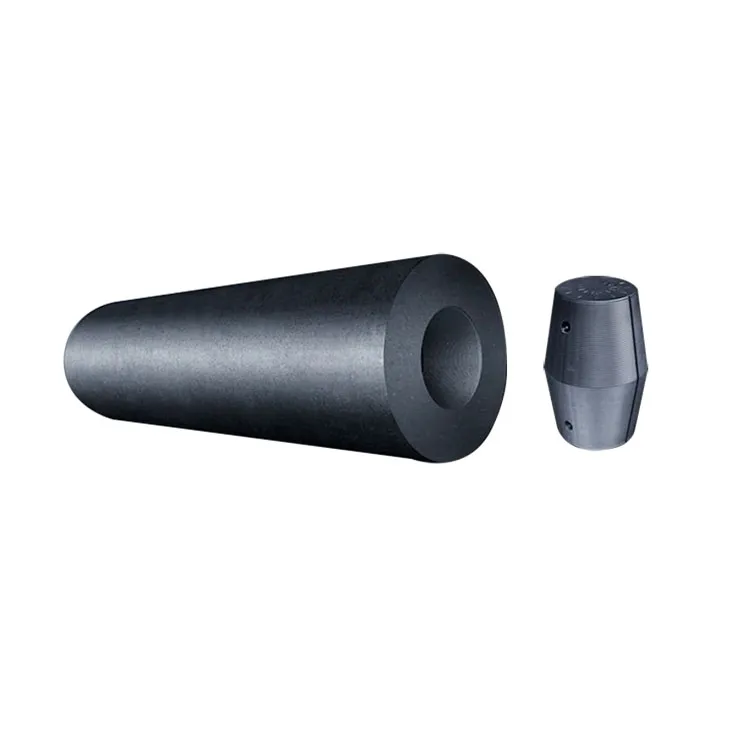
Larger diameter electrodes—especially those exceeding 500mm—offer superior thermal conductivity and mechanical stability under high-current conditions. In one case study at a European EAF plant, switching from standard 350mm to 500mm+ electrodes reduced average electrode consumption by 18%, while improving arc stability and reducing downtime due to sudden breaks.
“We saw immediate improvements after adopting standardized installation protocols—we now extend electrode life by 25% on average.” — Miguel Torres, Senior Maintenance Engineer, ArcelorMittal Spain
| Failure Cause | Impact | Solution |
|---|---|---|
| Thermal stress cracking | ~30% of premature failures | Use preheated electrodes + controlled ramp-up rate (≤5°C/min) |
| Joint loosening | Causes arcing and hot spots | Implement torque-check checklist every 4 hours during operation |
| Oxidation erosion | Reduces lifespan by up to 20% | Apply anti-oxidation coatings or use nitrogen-purged electrode holders |
A consistent, documented maintenance routine can reduce unexpected electrode failures by over 40%. Many plants still rely on reactive fixes rather than proactive monitoring—a gap that costs an estimated $15,000–$25,000 per incident in lost production time and replacement costs.
By extending electrode life by just 15%, you cut specific energy consumption by ~2–3 kWh/tonne—translating to roughly 100–150 kg CO₂ reduction per tonne of steel produced. This aligns with EU Green Deal targets and helps facilities meet ESG reporting standards more easily.
You may be asking yourself: “Do I have this level of discipline in my current electrode management?” If not, it’s time to take action—not just for savings, but for sustainability.


 <#else>


