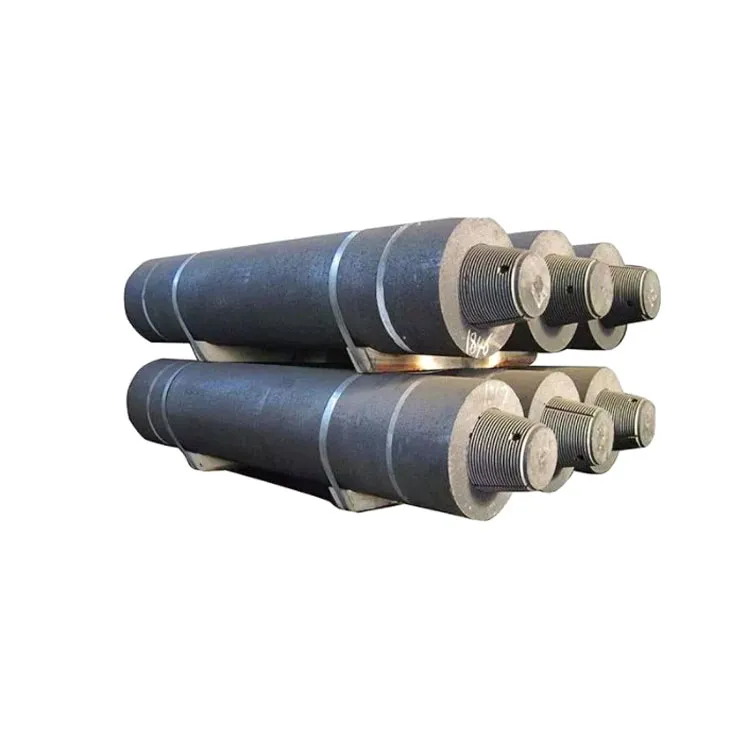
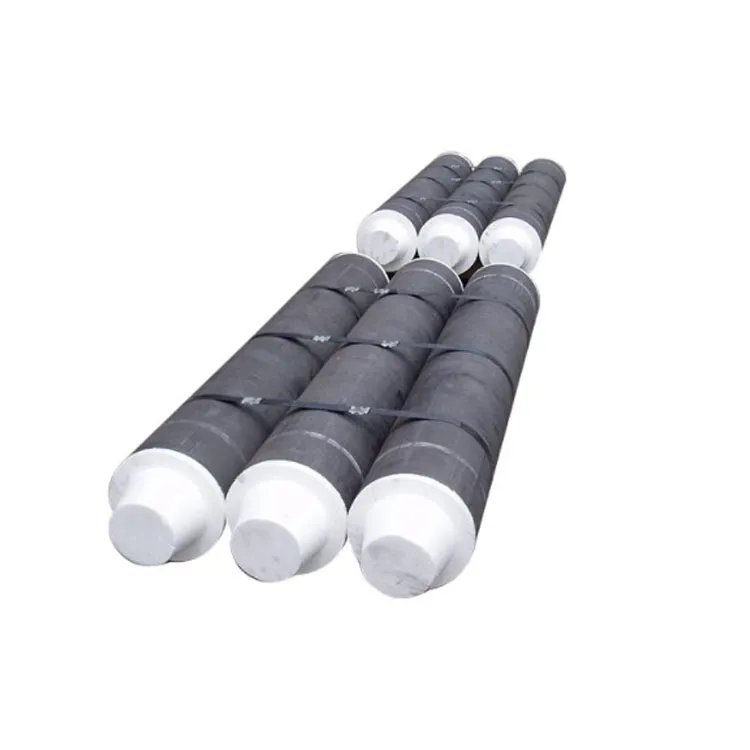
When it comes to maximizing the performance of ultra-high power electric arc furnaces (EAFs), one often-overlooked factor is the mechanical integrity of graphite electrodes — especially at their connection points. A well-engineered electrode joint doesn’t just prevent breakage; it directly impacts furnace efficiency, energy consumption, and overall operational cost.
Modern high-performance graphite electrodes are made from premium needle coke — a raw material known for its exceptional thermal conductivity and structural stability under extreme temperatures (>2000°C). This ensures minimal expansion during heating cycles and reduces stress concentration at joints.
But even with superior materials, poor mechanical design can undermine performance. That’s where precision-threaded end machining comes into play. By using CNC-controlled thread profiles with tolerances as tight as ±0.05mm, manufacturers ensure consistent torque application and uniform load distribution across the connection interface.
In field tests conducted across three major steel mills in Europe and Asia, optimized electrode connections reduced joint failure rates by up to 67% compared to standard designs — translating to fewer unplanned shutdowns and less downtime.
| Parameter | Standard Design | Optimized Design |
|---|---|---|
| Joint Failure Rate (Monthly) | ~8% | ~2.6% |
| Average Torque Consistency | ±15% | ±3% |
| Energy Consumption per Ton Steel | 420 kWh | 385 kWh |
A mid-sized steel producer in Tamil Nadu upgraded from traditional electrode connectors to our precision-threaded system over six months ago. The results were clear:
“What surprised us most wasn’t just the numbers — it was how predictable the operation became,” said Ravi Mehta, Plant Manager at the facility. “We now schedule maintenance based on wear patterns, not emergencies.”
To maintain peak performance, here's a quick checklist for daily inspections:
If you’re serious about reducing downtime and boosting EAF productivity, start with what’s happening at the connection point. It might be the smallest detail — but it makes all the difference.