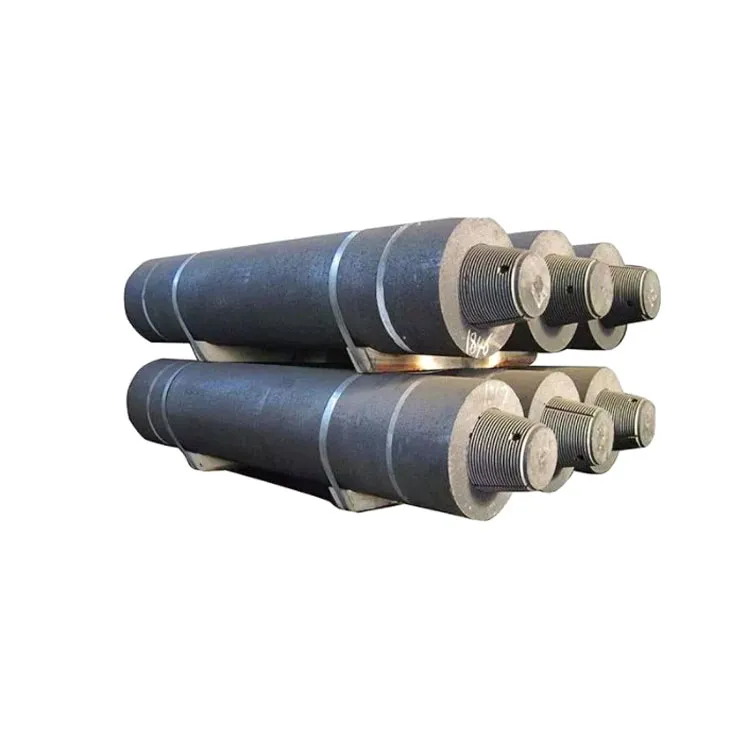
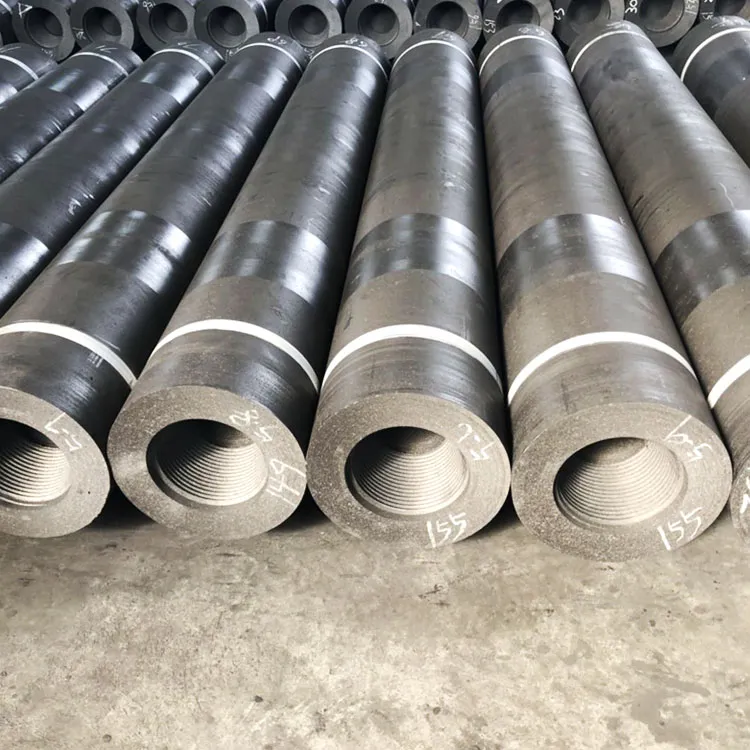
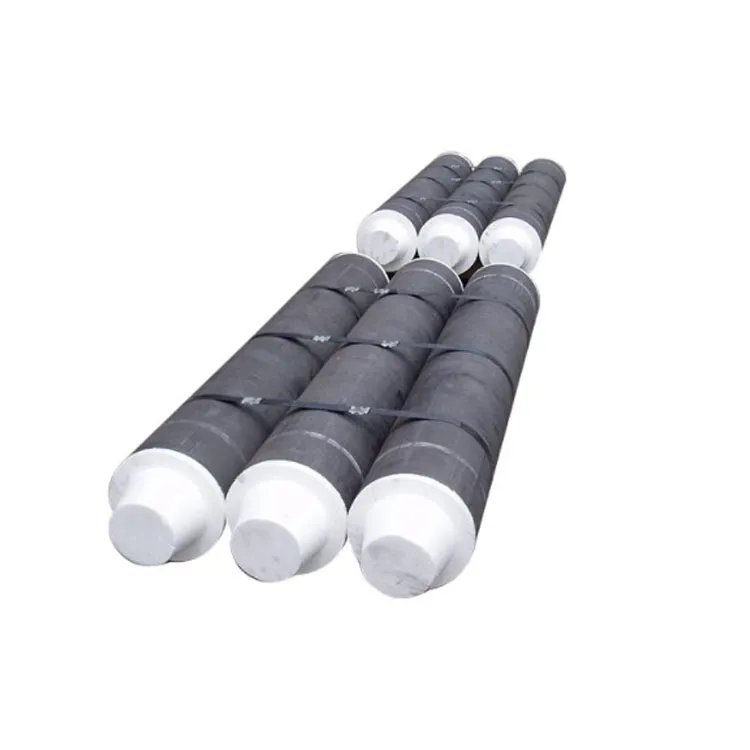
In the steelmaking industry, where energy costs can account for up to 25-30% of total production expenses, the efficiency of Electric Arc Furnace (EAF) operations directly impacts profitability and environmental performance. A often overlooked but critical component in this equation is the graphite electrode—specifically, its electrical conductivity properties. Recent industry studies indicate that a 10% reduction in electrode resistivity can translate to approximately 3-5% lower energy consumption per ton of steel produced, representing significant operational savings over time.
The relationship between electrode resistivity and energy efficiency follows Ohm's Law, where heat loss (P) is directly proportional to the square of current (I) and resistance (R): P = I²R. In practical EAF operations, graphite electrodes with higher resistivity generate excessive heat during arcing, wasting valuable electrical energy that could otherwise contribute to melting scrap metal.
Typical commercial graphite electrodes exhibit resistivity values ranging from 6.0 to 8.0 μΩ·m. However, advanced high-conductivity electrodes can achieve resistivity levels as low as 4.5-5.5 μΩ·m, directly reducing energy waste while maintaining mechanical strength—a crucial balance that prevents premature electrode breakage.
The foundation of high-conductivity graphite electrodes begins with raw material selection. Needle coke and petroleum coke, while both carbon-based, offer distinctly different performance characteristics:
| Property | Needle Coke | Petroleum Coke |
|---|---|---|
| Carbon Content | 99.5-99.8% | 95-98% |
| Graphitization Potential | Excellent | Moderate |
| Anisotropic Structure | Highly oriented | Random orientation |
| Typical Resistivity (μΩ·m) | 4.5-5.5 | 6.5-8.0 |
The highly ordered crystalline structure of needle coke allows for superior electron flow, making it the preferred material for high-performance electrodes. However, this premium material comes at a higher cost, typically 20-30% more than standard petroleum coke. For EAF operators running continuous high-power operations, the energy savings from needle coke-based electrodes often offset this initial investment within 6-12 months.
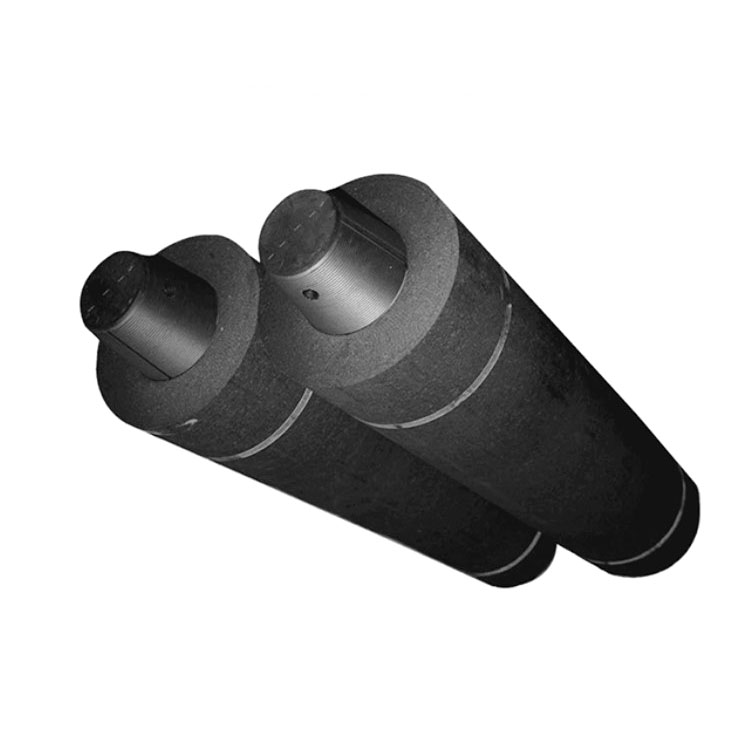
Achieving optimal conductivity requires precise control throughout the manufacturing process. Two critical stages significantly impact final resistivity:
Graphitization occurs when carbon materials are heated to temperatures exceeding 2800°C. Studies show that each 100°C increase in graphitization temperature within the 2500-3000°C range can reduce resistivity by approximately 4-6%. However, temperatures above 3000°C risk structural degradation and increased brittleness.
Modern graphitization furnaces employ computerized temperature profiling to maintain optimal heating rates, typically 50-100°C per hour during the critical 2000-3000°C phase, ensuring complete graphitization without structural damage.
Multi-cycle impregnation with coal tar pitch followed by recarbonization fills internal pores, reducing resistivity by 15-20% compared to non-impregnated electrodes. The process involves:
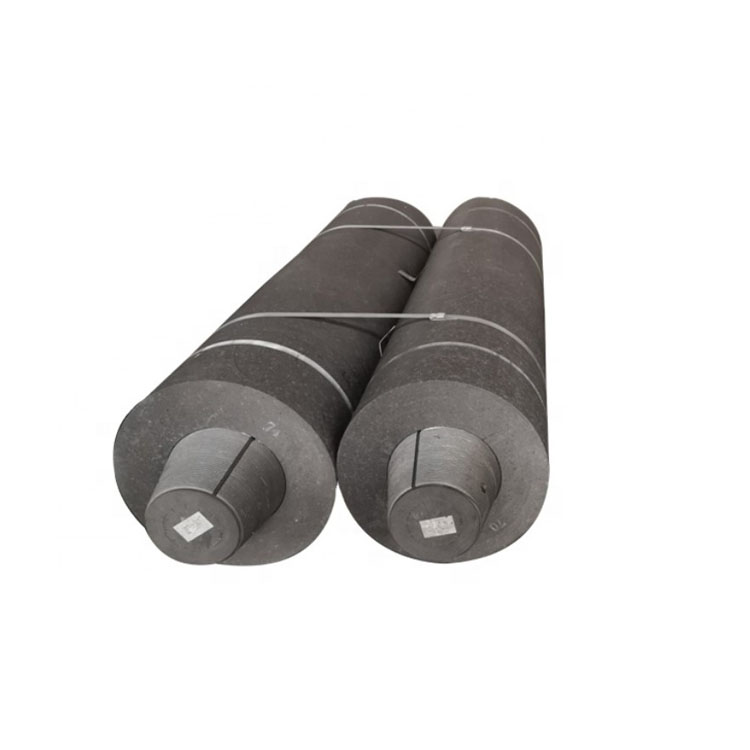
Selecting the right electrode requires balancing conductivity, mechanical strength, and cost based on specific furnace conditions:
DC furnaces typically operate with larger diameter electrodes (300-600mm) and benefit most from high-conductivity materials due to their single-electrode configuration and higher current densities.
Operations exceeding 50 kA current should prioritize lower resistivity electrodes, while standard conductivity electrodes may be sufficient for lower current applications below 30 kA.
Basic slag operations (high CaO content) typically experience higher electrode consumption rates and may require the additional mechanical strength of premium electrodes despite slightly higher resistivity.
A European steel producer operating a 150-ton DC EAF recently upgraded from standard petroleum coke electrodes (resistivity 7.2 μΩ·m) to high-conductivity needle coke electrodes (resistivity 5.1 μΩ·m). Over a six-month monitoring period, the following results were observed:
The payback period for the higher electrode cost was just 7.3 months, demonstrating the compelling ROI of high-conductivity solutions in appropriate applications.
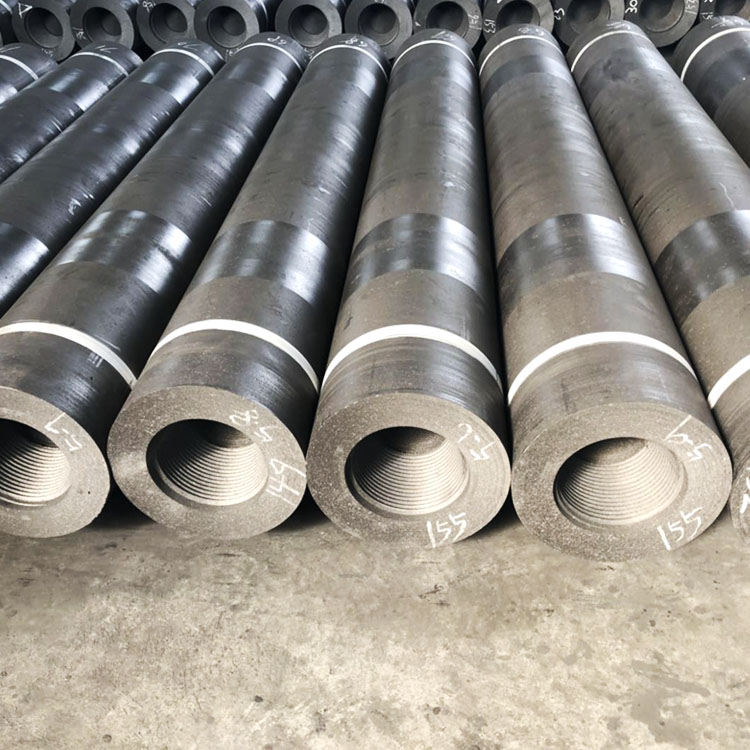
For over two decades, Sunrise has specialized in engineering high-performance graphite electrodes that balance conductivity, strength, and durability. Our proprietary manufacturing process combines premium needle coke selection with precision graphitization control and multi-cycle impregnation to produce electrodes with resistivity as low as 4.8 μΩ·m while maintaining flexural strength exceeding 25 MPa.
Our technical team works closely with steel producers to analyze specific furnace parameters and recommend customized electrode solutions that maximize energy efficiency and minimize operational costs. Whether upgrading existing operations or commissioning new EAF facilities, Sunrise provides the expertise and products to achieve sustainable performance improvements.
Schedule a personalized technical consultation to calculate your potential energy savings
The transition to high-conductivity graphite electrodes represents a tangible opportunity for EAF operators to improve energy efficiency, reduce carbon footprint, and enhance profitability. By understanding the material science and manufacturing processes that influence electrode performance, steel producers can make informed decisions that deliver both immediate and long-term operational benefits.
Each EAF operation presents unique challenges and opportunities for optimization. The key is to conduct a comprehensive analysis of current performance metrics, identify areas for improvement, and select electrode solutions tailored to specific operating conditions—ultimately transforming material science into measurable business results.