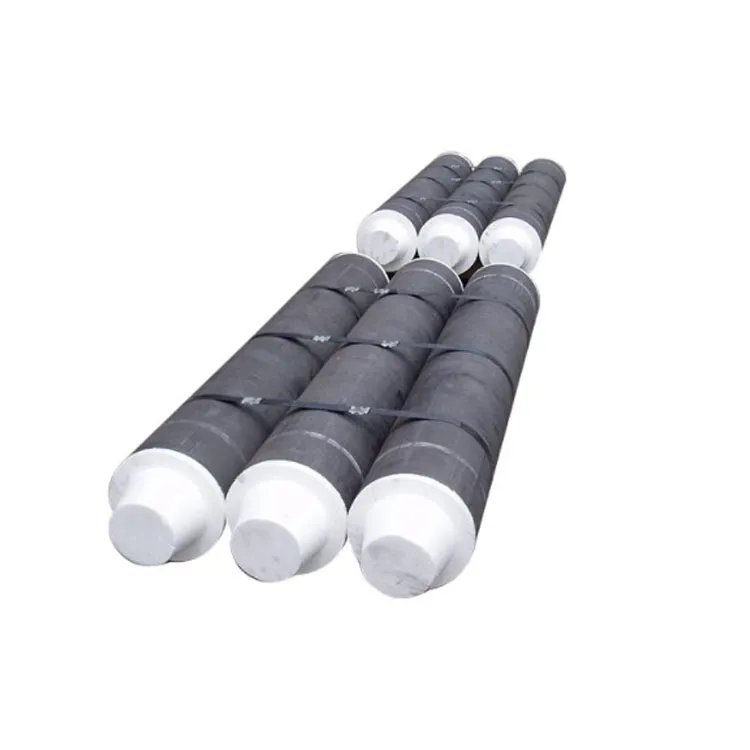
In the operation of electric arc furnaces, high - power graphite electrodes often suffer from breakage due to thermal stress, uneven current distribution, or improper operation. This not only affects production efficiency but also challenges cost control. You may be wondering, how can we effectively address this issue?
Let's first introduce some typical electrode breakage scenarios. In many steel enterprises, it's a common sight to see electrodes being damaged during the production process. For example, in a large - scale steel plant, the production line was frequently interrupted because of electrode breakage, resulting in a significant increase in production costs. This clearly shows the universality and necessity of solving this problem.
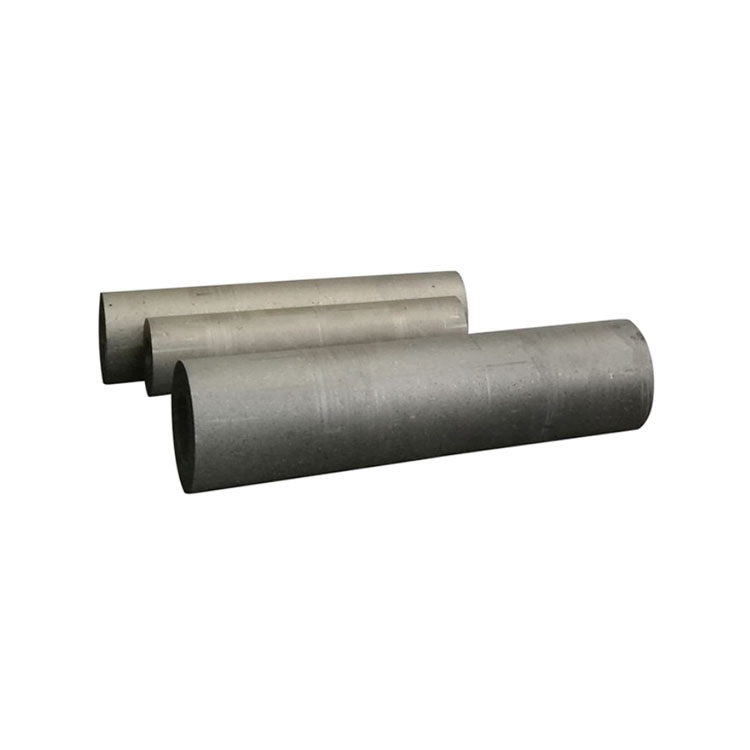
There are several common breakage forms of graphite electrodes, such as cracks, end - face spalling, and side - wall ablation. Cracks are mainly caused by thermal stress. When the electrode is heated unevenly during the operation of the electric arc furnace, internal stress is generated, which leads to the formation of cracks. For instance, in some furnaces with unstable temperature control, the probability of electrode cracking can be as high as 30%. End - face spalling is often related to the impact force during electrode installation and the uneven distribution of current on the end - face. Side - wall ablation is mainly due to the high - temperature oxidation of the electrode in a high - oxygen environment. Analyzing actual cases, we can more intuitively understand these breakage forms through the following figure. (****)
Several key factors affect the life of graphite electrodes. The purity of the material formula is crucial. High - purity materials can significantly improve the electrode's performance. For example, electrodes made of materials with a purity of over 99.9% have a longer service life compared to those with lower purity. The consistency of high - temperature treatment processes also matters. If the roasting temperature and time are not well - controlled, it will affect the electrode's internal structure. In addition, the rationality of current density distribution, the frequency of furnace temperature fluctuation, and the operator's maintenance standardization all play important roles. Research shows that improper maintenance can reduce the electrode's service life by about 20%.
"Graphite electrode breakage and service life are directly related to multiple factors in the production process. Enterprises should pay more attention to these details to improve production efficiency," says an industry expert.
By comparing different working conditions, we can find that the electrode consumption rate varies greatly. In a furnace with stable temperature control and reasonable current distribution, the electrode consumption rate may be only 1 - 2 kg per ton of steel. However, in a relatively poor - control furnace, this figure can reach 5 - 6 kg per ton of steel. These data clearly show the importance of data - driven decision - making in electrode management.
To address the issue of electrode breakage, we propose a systematic preventive maintenance plan. First, optimize the power - on curve to ensure that the electrode is heated evenly. Second, regularly detect indexes such as porosity and thermal shock performance. For example, a detection every month can help you discover potential problems in time. In addition, strengthen daily inspections, including checking the electrode's connection status and surface condition.
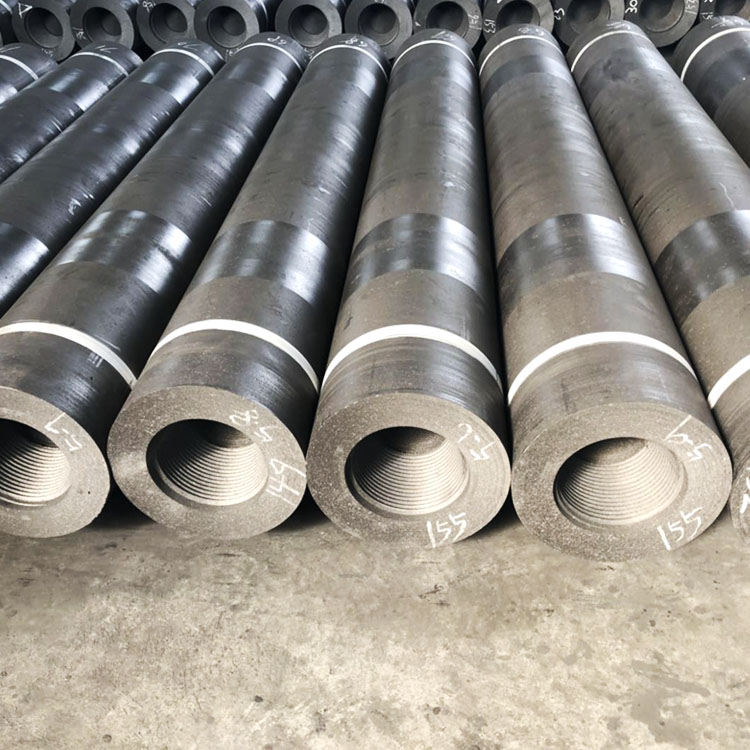
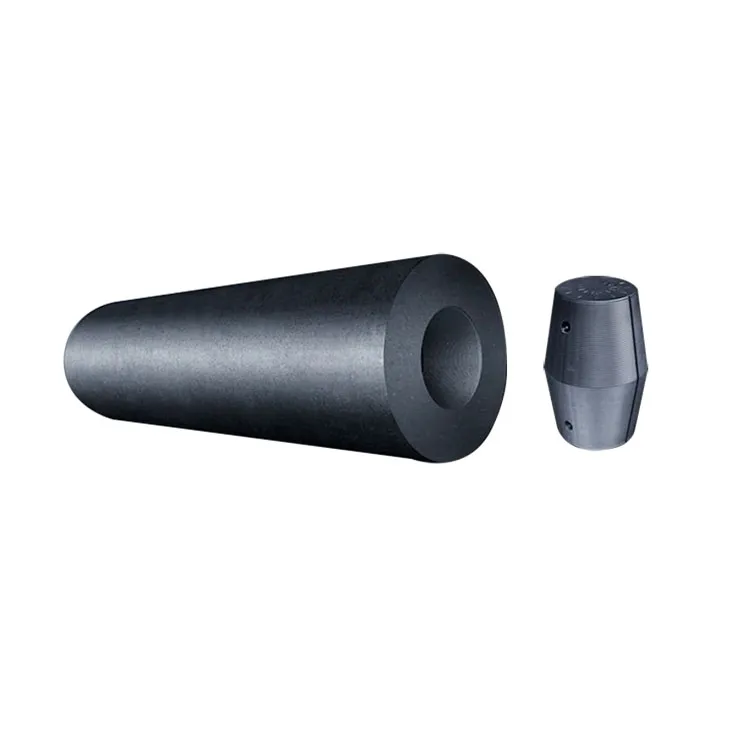
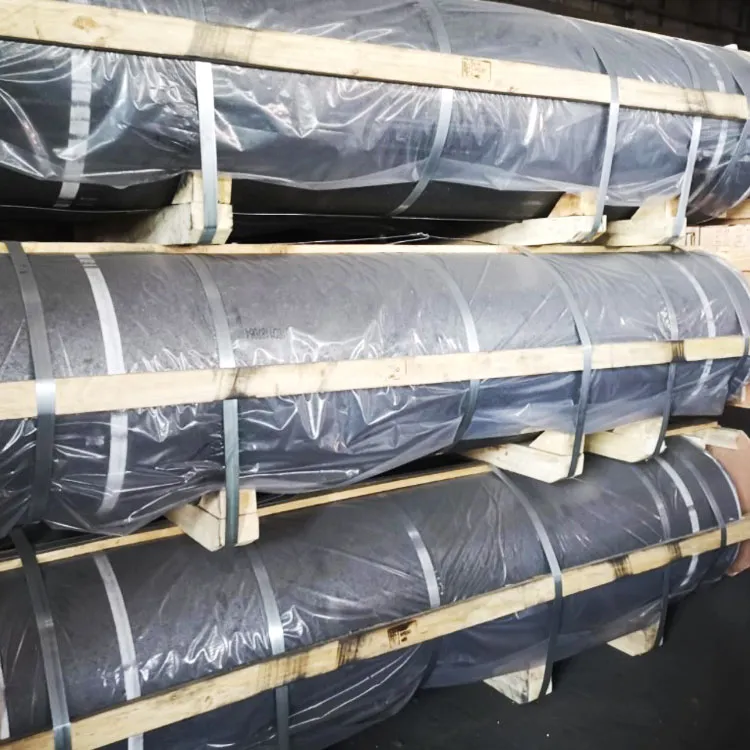
Our company's graphite electrodes have unique advantages. They feature low resistivity and strong thermal shock resistance, which can effectively reduce electrode breakage and improve service life. If you want to know more about our customized solutions tailored to your factory's working conditions, please don't hesitate to take action.
Get a free technical evaluation for your plant
Do you have any questions or insights about graphite electrode breakage prevention? Please leave your comments below and let's discuss together!