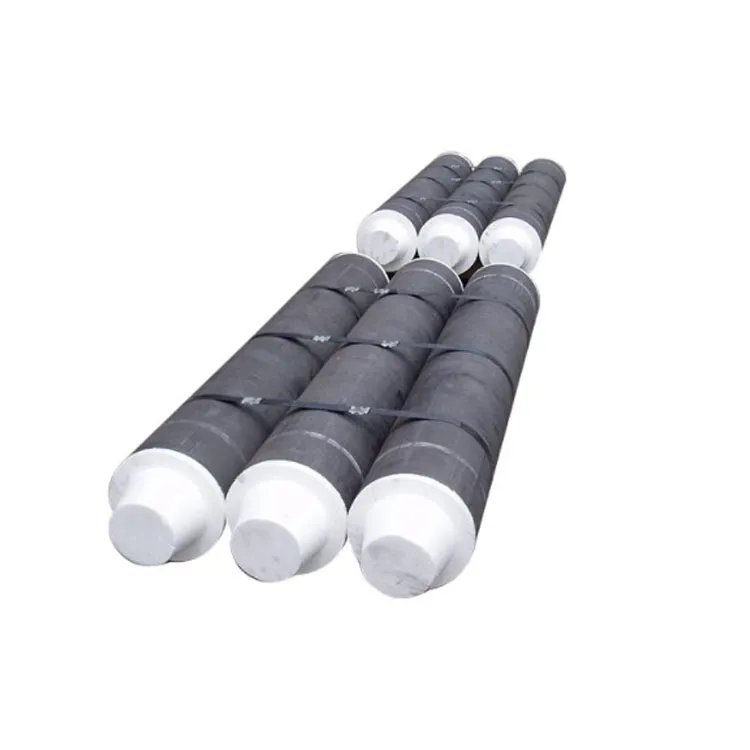
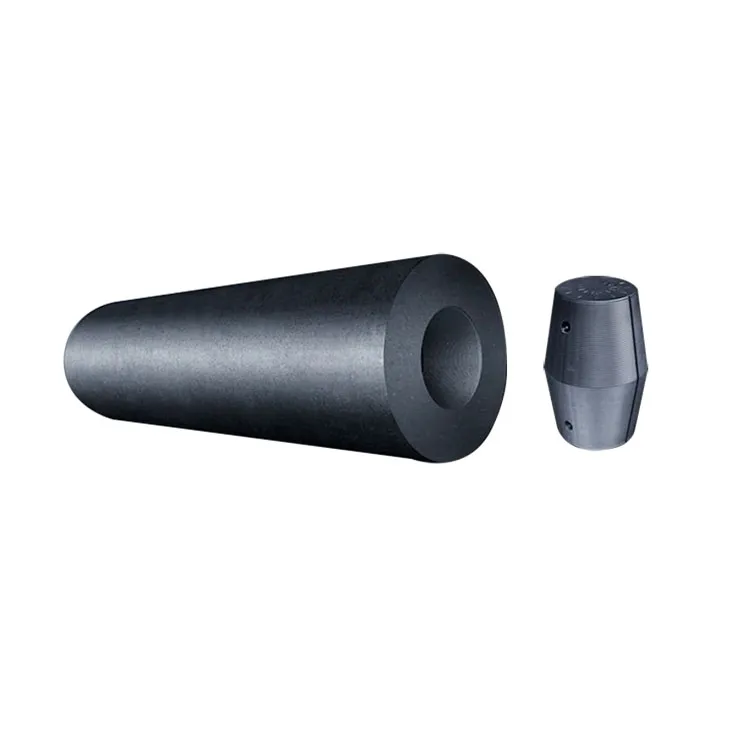
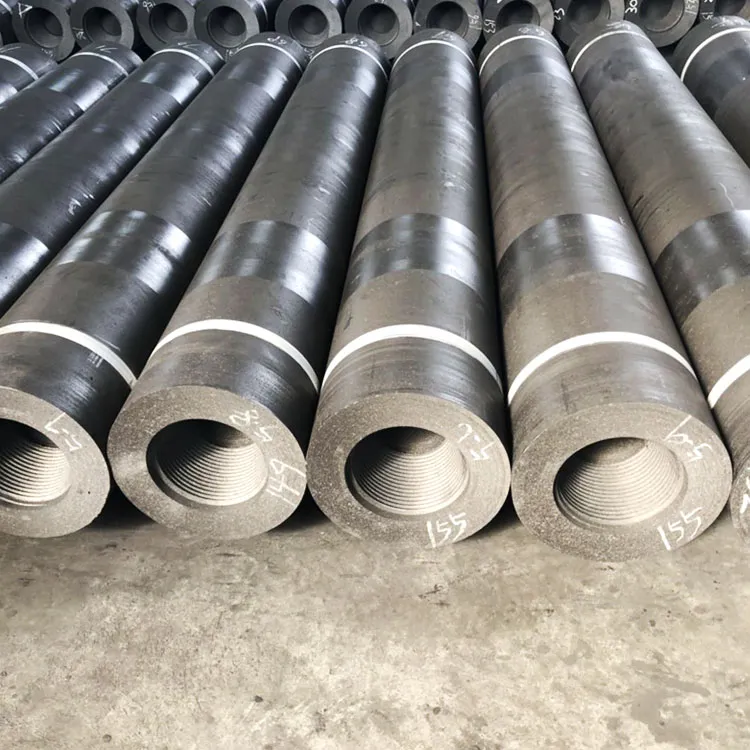
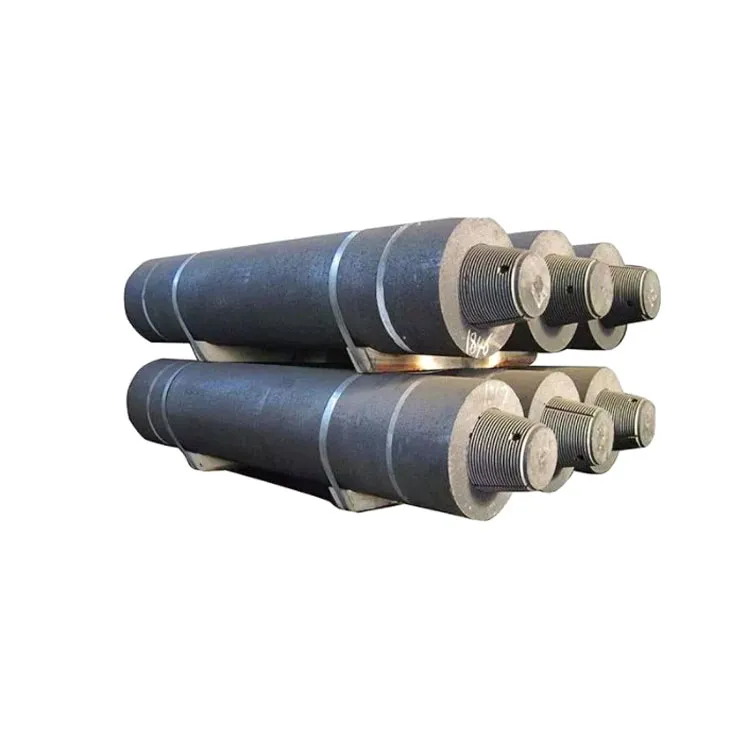
When operating high-power electric arc furnaces (EAFs), unexpected electrode performance can lead to unplanned downtime and increased energy consumption—costs that are both avoidable and critical to address. This guide provides a systematic approach for engineers and plant operators to diagnose common graphite electrode failures, identify root causes, and implement practical improvements that have been proven to boost furnace efficiency by up to 15%.
Electrode failure typically manifests as excessive wear, cracking during thermal cycling, or poor current transmission at the joint interface. In one case study from a mid-sized steel mill in Southeast Asia, these symptoms were traced back to two primary factors: inconsistent needle coke quality and suboptimal thread machining tolerances. The mill’s average electrode life dropped from 45 hours to just 28 hours before replacement—a clear signal of inefficiency.
| Failure Type | Likely Cause | Typical Impact |
|---|---|---|
| Thermal Cracking | Low needle coke purity (<95%) → higher porosity | +12–18% energy loss per cycle |
| Joint Loosening | Poor thread fit tolerance (>±0.1mm) | Increased resistance & risk of arcing |
| Excessive Wear | Inadequate mechanical strength due to improper sintering | Shorter electrode life, higher replacement frequency |
The conductivity and thermal stability of graphite electrodes begin with raw material selection. Needle coke with carbon purity above 97% ensures minimal resistivity and better heat distribution under extreme temperatures (up to 2500°C). A comparative test conducted across three suppliers showed that electrodes made from premium-grade needle coke exhibited 15% less voltage drop over 10 thermal cycles compared to those using standard-grade materials.
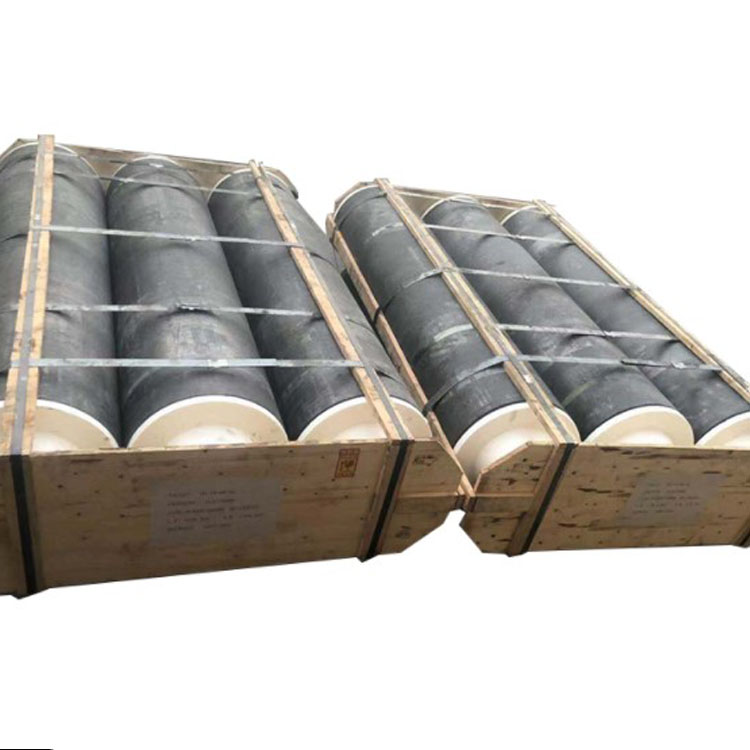
A well-designed threaded connection is not just about mechanical fit—it's about electrical continuity. Studies show that a precision-machined joint (with ±0.05mm tolerance) reduces contact resistance by up to 40% compared to standard joints. This translates directly into lower power consumption and fewer interruptions caused by hot spots or partial arcing.
By integrating this checklist into daily routines, maintenance teams gain early warning signals before costly breakdowns occur. One European foundry reported a 20% reduction in unplanned shutdowns after implementing such protocols.
From raw material sourcing to real-time monitoring, optimizing electrode performance requires a holistic strategy—not a quick fix. Whether you're managing a small scrap melting operation or a large-scale EAF plant, understanding these fundamentals will help you reduce costs, improve uptime, and stay competitive globally.
Download Our Free Electrode Health Assessment Tool