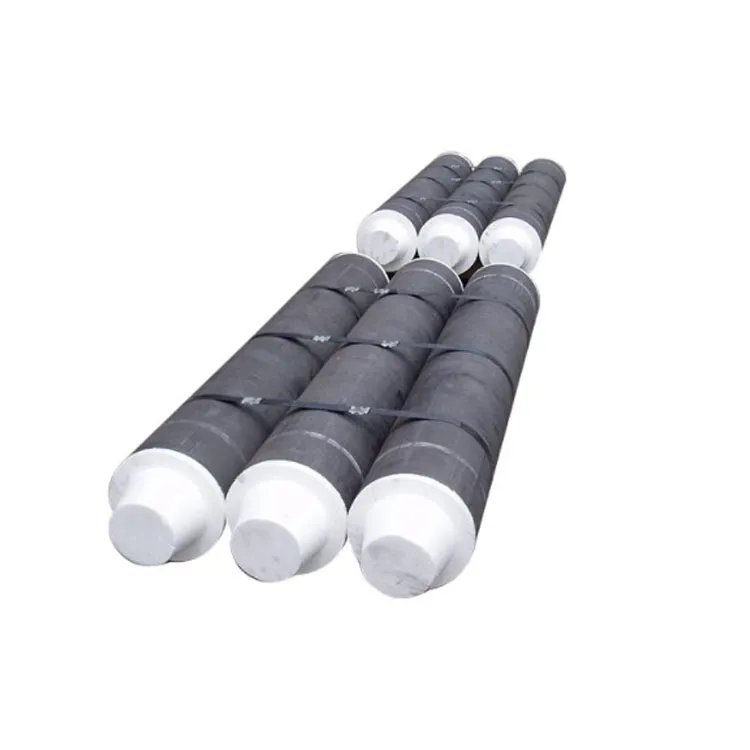
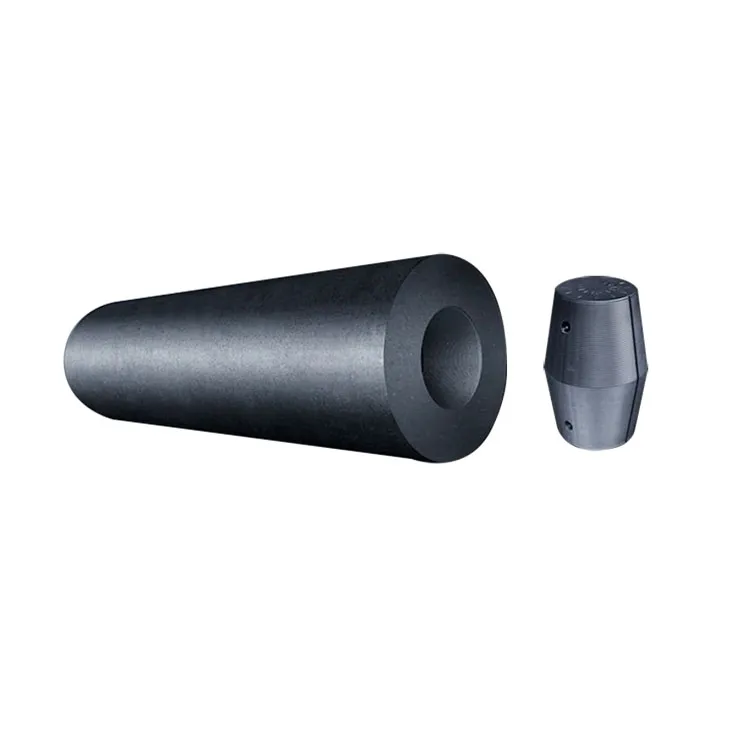
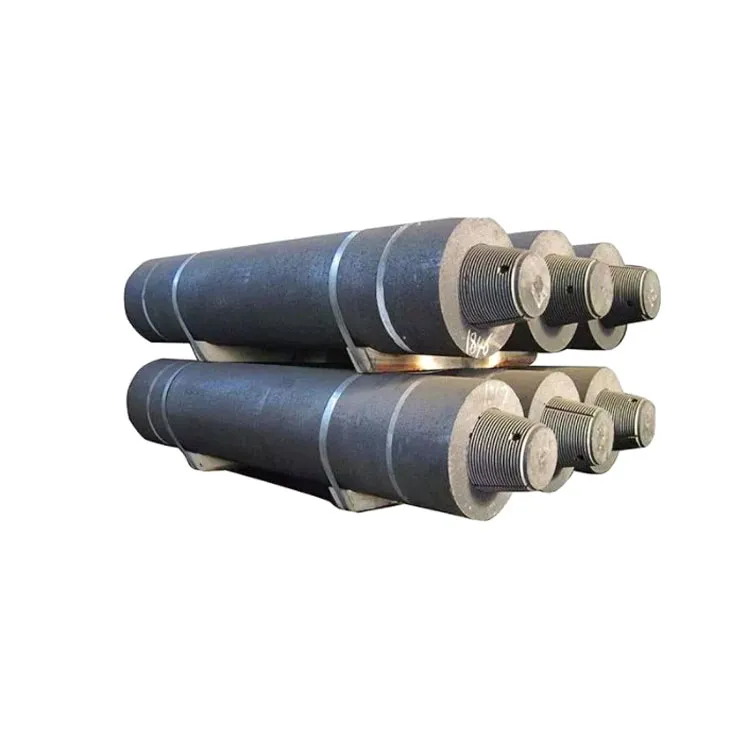
When it comes to arc furnace smelting of high - demand steel grades such as stainless steel and alloy steel, choosing the right high - power graphite electrode is crucial. Four core parameters play significant roles: thermal conductivity, oxidation resistance, thermal shock resistance, and resistivity.
Thermal conductivity affects how quickly heat is transferred within the electrode. A high thermal conductivity can help in maintaining a stable temperature during the smelting process. Oxidation resistance is vital as it determines how well the electrode can withstand oxidation at high temperatures, which directly impacts its lifespan. Thermal shock resistance allows the electrode to endure sudden temperature changes without cracking. Resistivity influences the electrical performance of the electrode, affecting the efficiency of the smelting process.
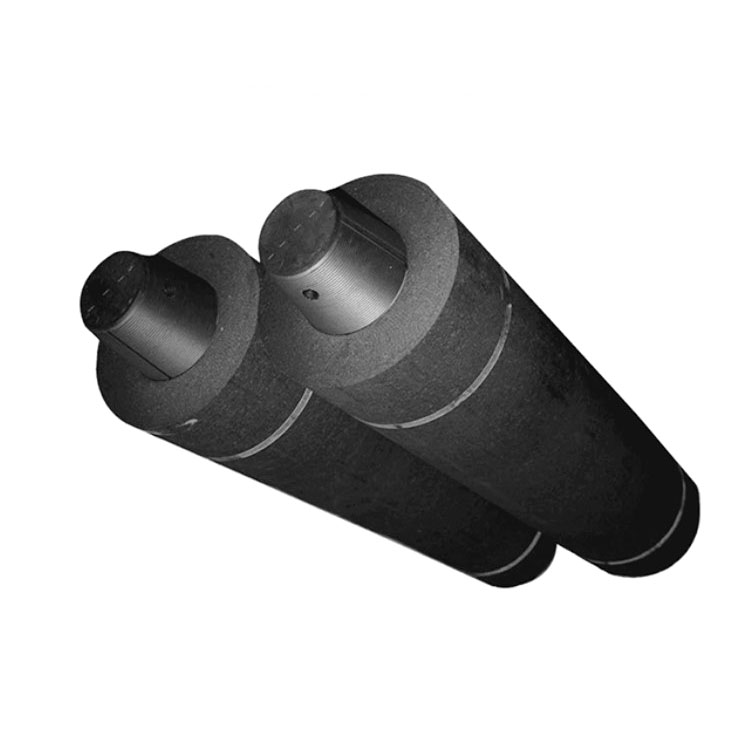
Different steel grades have distinct requirements for graphite electrodes. For stainless steel, due to its relatively high melting point and complex chemical composition, electrodes with high oxidation resistance and good thermal shock resistance are needed. The high - temperature environment during stainless steel smelting can cause rapid oxidation of the electrode, so a high - quality electrode with excellent oxidation resistance can reduce electrode consumption.
Alloy steels, which often contain various alloying elements, require electrodes with precise resistivity control. The alloying elements can affect the electrical conductivity of the molten metal, so the electrode's resistivity needs to be adjusted accordingly to ensure a stable smelting process. Non - ferrous metals also have their own unique requirements. For example, some non - ferrous metals have lower melting points, so electrodes with appropriate thermal conductivity can help in efficient heat transfer.
Let's look at some real - world examples from steel mills. In one case, a steel mill used a regular - power electrode for high - carbon steel smelting. The regular - power electrode was not designed to handle the high - intensity heat and electrical load required for high - carbon steel. As a result, there was a power outage during the smelting process, which not only interrupted production but also caused significant damage to the equipment. Another common issue is the excessive consumption of electrodes. Using an inappropriate electrode can lead to rapid wear and tear, increasing the cost of production.
Real - world case: A steel mill in [location] used an electrode with low oxidation resistance for stainless steel smelting. The electrode was consumed much faster than expected, resulting in a 30% increase in electrode costs and a 15% decrease in production efficiency.
To help you make a more scientific and efficient decision, we have developed a structured selection flowchart. This flowchart takes into account the melting temperature range, slag composition, and oxygen - blowing intensity of the smelting process. By following this flowchart, you can quickly narrow down the suitable electrode options based on your specific steel grade and smelting conditions.
In addition, we also provide simple on - site testing methods. For example, you can perform a quick resistivity test on the electrode to check if it meets the requirements of your smelting process. These on - site tests can provide immediate feedback and help you make real - time adjustments.
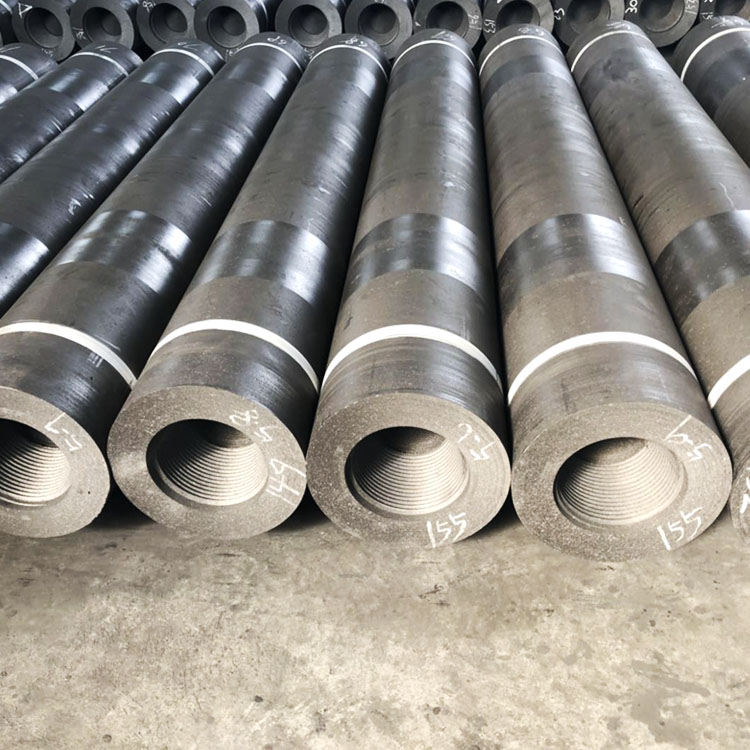
Our customized services are designed to meet your specific needs. We understand that each steel mill has its own unique smelting process, including different melting temperature intervals, slag compositions, and blowing oxygen intensities. By analyzing your process parameters, we can provide you with a customized electrode solution.
Whether you are a metallurgical engineer or a procurement manager, our customized services can help you optimize your electrode selection, improve smelting efficiency, and reduce the risk of electrode loss. So, are your electrodes matching your current steel grades? If you are still unsure, our team of experts is here to help.