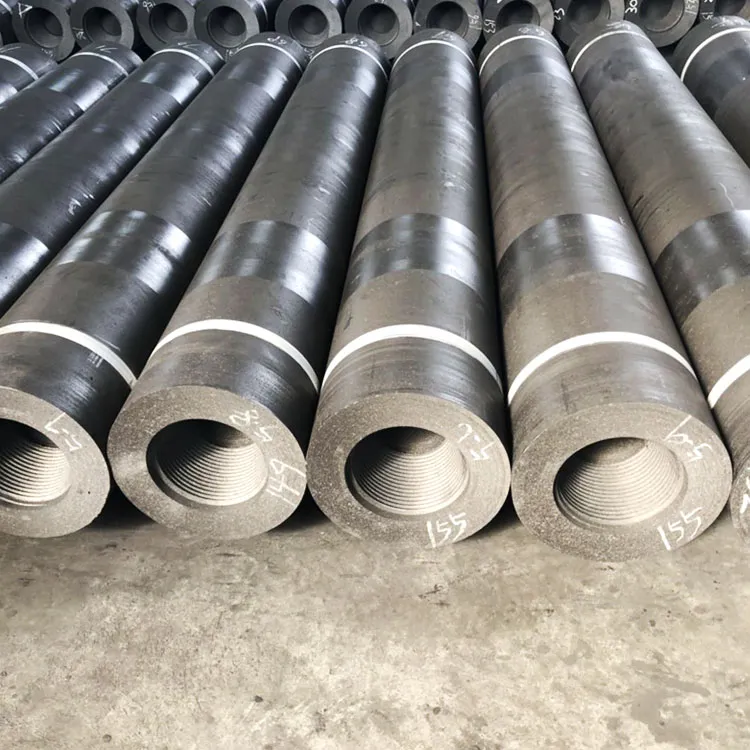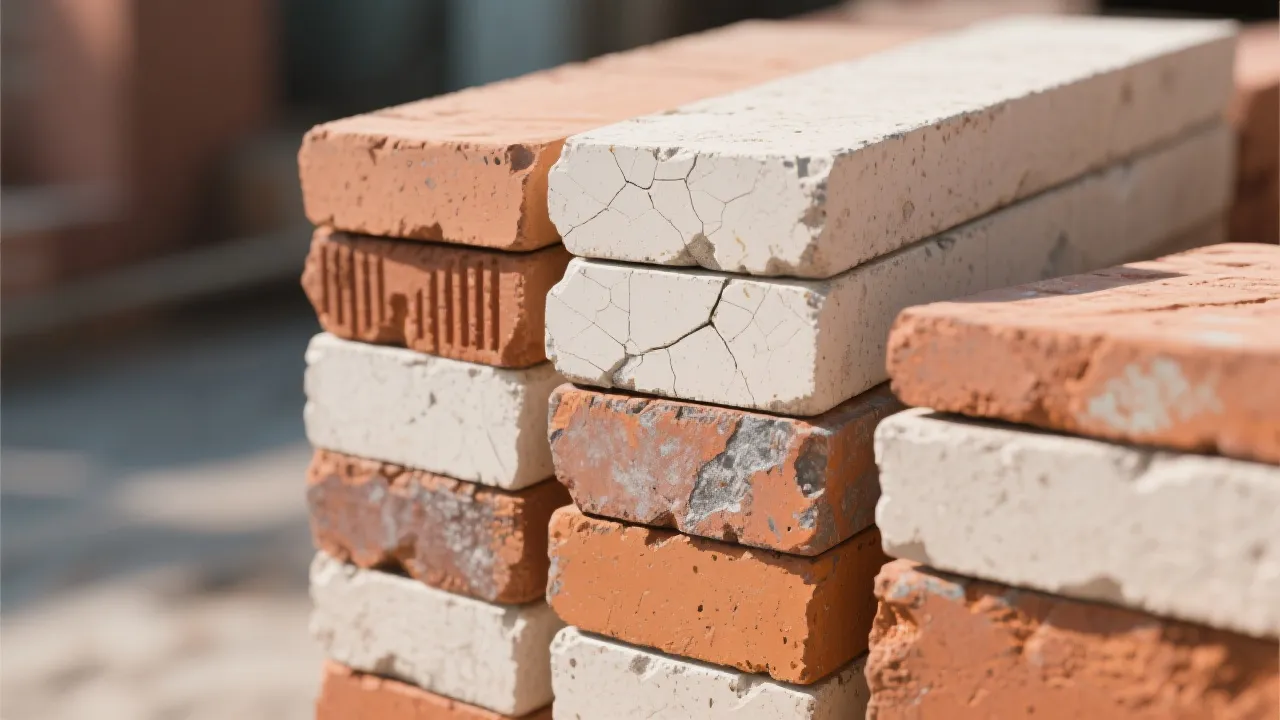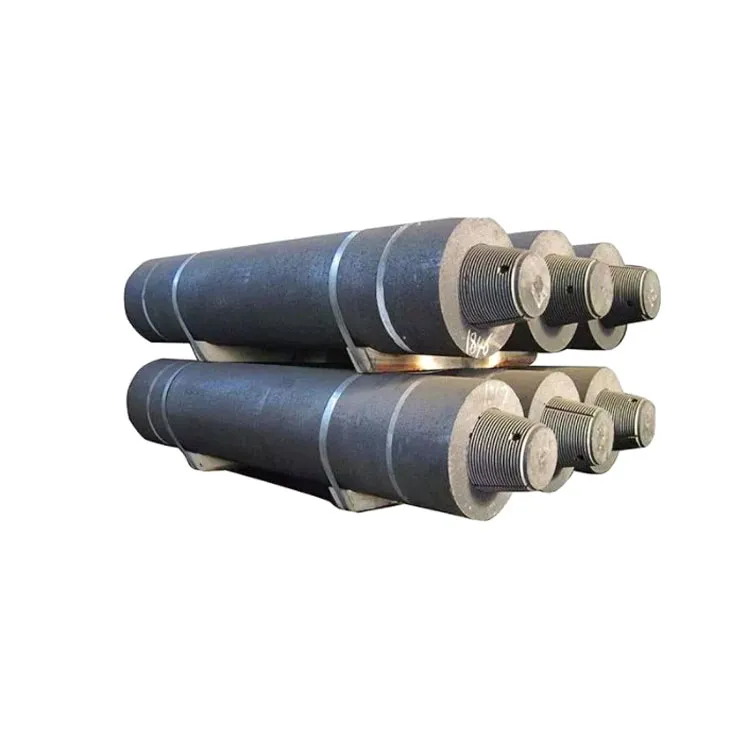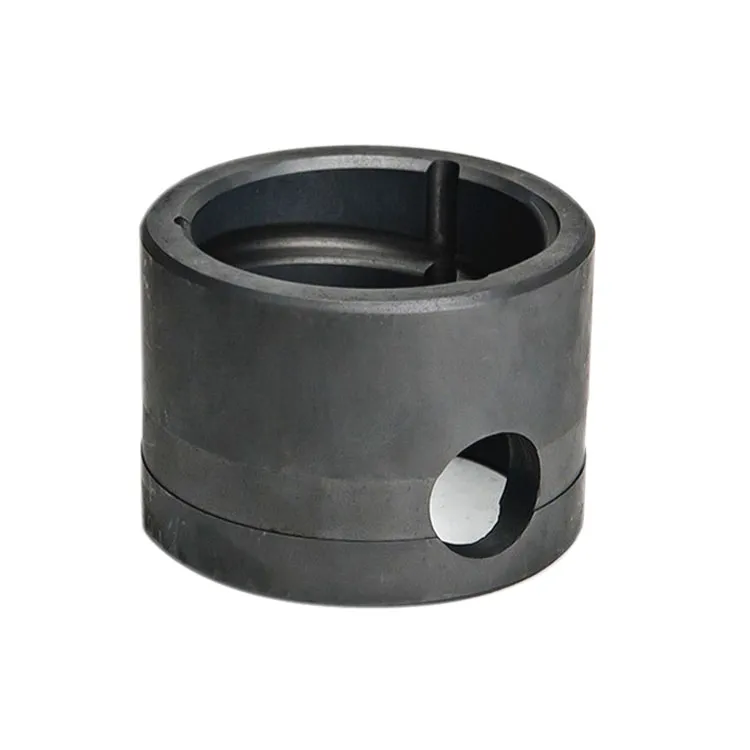
In the demanding landscape of industrial manufacturing, unplanned downtime remains one of the most significant challenges faced by plant managers and maintenance engineers. Recent industry reports indicate that unscheduled equipment failures cost manufacturing facilities an average of $50,000 per hour, with critical component wear accounting for approximately 32% of these incidents. For operations relying on high-temperature equipment—such as arc furnaces, continuous casting machines, and high-speed bearings—copper-graphite components represent both a critical performance element and a common failure point.
Copper-graphite composites operate in an environment where temperatures often exceed 800°C, creating a complex interplay of mechanical stress, thermal cycling, and chemical reactions. Unlike traditional metallic components, these materials exhibit unique wear characteristics due to their heterogeneous structure—combining copper's excellent thermal conductivity with graphite's natural lubricating properties.
"At temperatures above 500°C, copper-graphite components experience a 37% increase in wear rate due to the breakdown of graphite lubrication layers and oxidation of copper matrix phases," according to research published in the Journal of Tribology Engineering (2022).
Three primary degradation mechanisms contribute to premature component failure: adhesive wear from surface contact, abrasive wear from particulate contamination, and thermal fatigue cracking caused by repeated heating and cooling cycles. Understanding how these mechanisms interact is essential for developing effective predictive maintenance strategies.
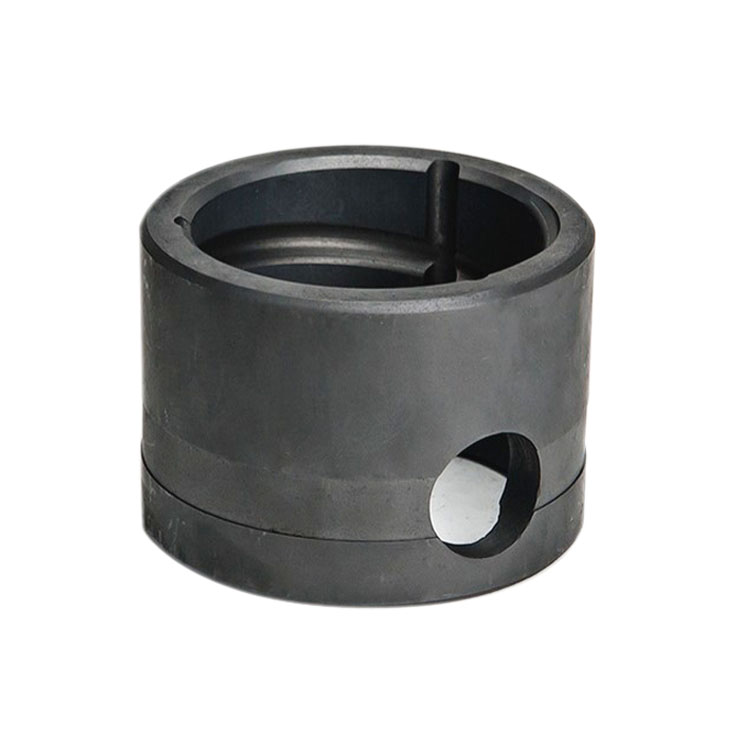
Creating reliable wear models requires combining theoretical material science with practical operational data. The process typically involves four key steps:
Sunrise has developed proprietary modeling software that incorporates real-time sensor data to update wear predictions dynamically, resulting in maintenance scheduling accuracy improvements of up to 40% compared to traditional time-based maintenance approaches.
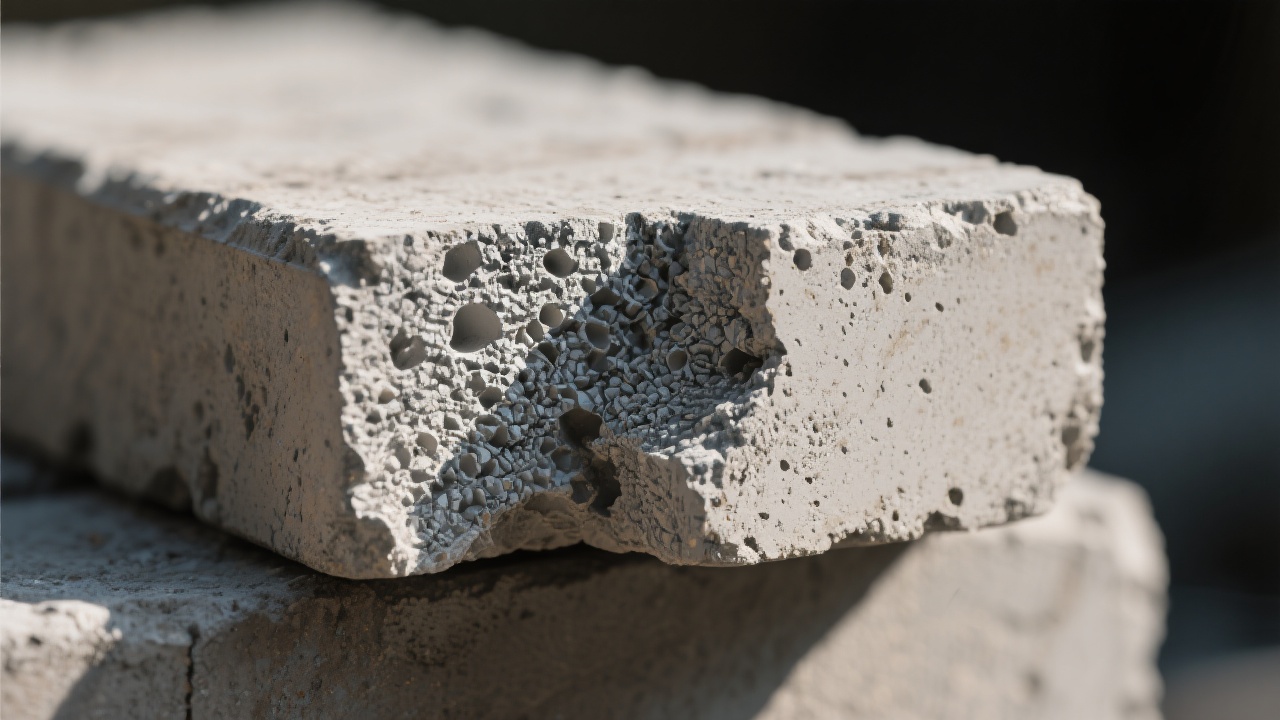
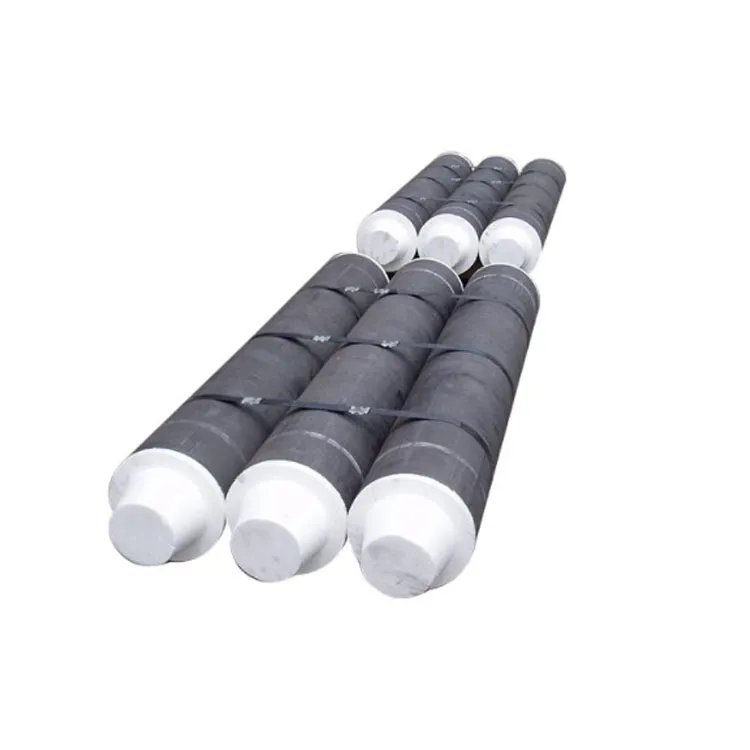
Translating wear models into effective maintenance strategies requires establishing clear inspection protocols and threshold values. For arc furnace electrodes, for example, critical indicators include: dimensional wear exceeding 0.15mm per 100 operational hours, surface crack propagation rates exceeding 2mm per week, and thermal conductivity degradation of more than 12% from baseline measurements.
A case study from a European steel mill demonstrated the impact of implementing data-driven wear modeling. By transitioning from reactive maintenance to a predictive approach based on copper-graphite wear patterns, the facility reduced electrode-related downtime by 28% and extended component life by an average of 35%, resulting in annual cost savings exceeding €180,000.
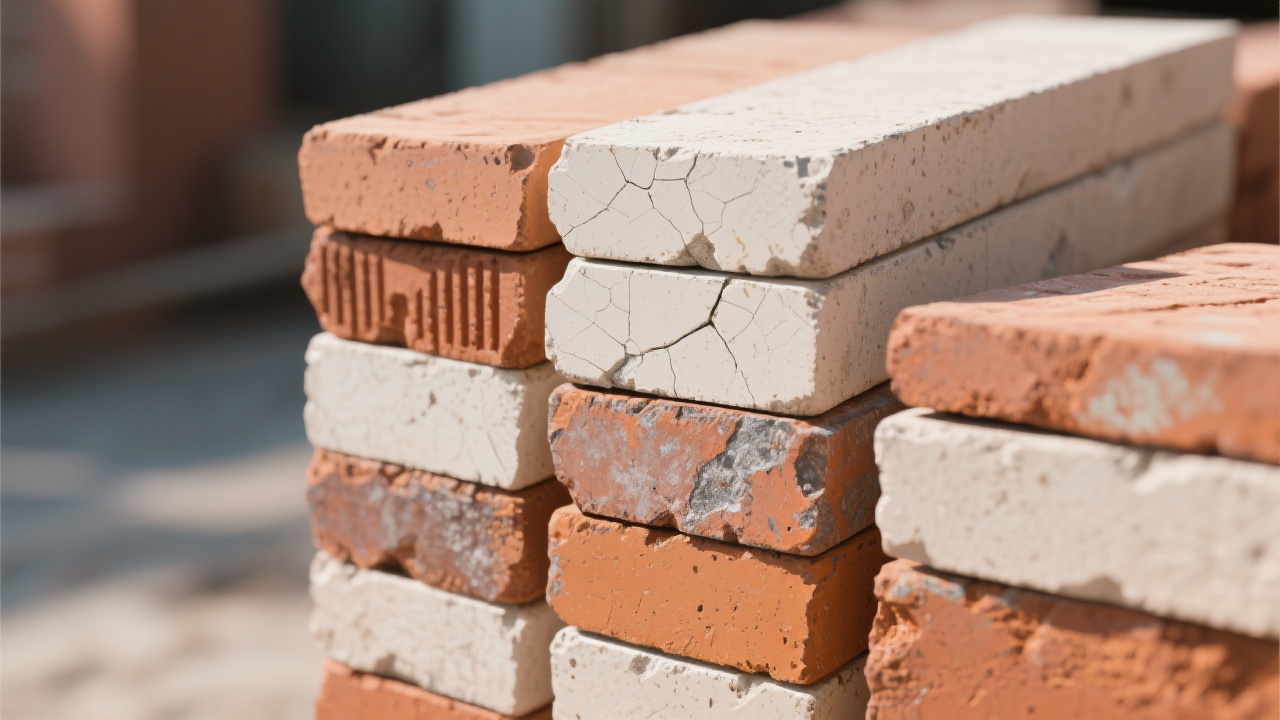
Effective wear management extends beyond technical modeling—it requires fostering a culture of proactive maintenance. This involves cross-functional collaboration between maintenance teams, process engineers, and procurement specialists to ensure that wear data informs both maintenance schedules and component specification decisions.
Key elements of successful implementation include regular training programs for maintenance personnel on wear detection techniques, establishing clear communication channels for sharing wear data, and integrating wear modeling insights into capital planning decisions. When properly implemented, these practices not only extend component life but also provide valuable insights for equipment design improvements and supplier selection criteria.
Discover how Sunrise's advanced wear modeling solutions can help you reduce downtime by up to 35% while extending the life of your critical copper-graphite components.
Access Your Free Wear Analysis ConsultationConsider this: In your facility, what operational data could provide the most valuable insights into copper-graphite component degradation? How might real-time wear modeling change your approach to scheduled maintenance and capital equipment planning?