As a metallurgical plant technical director or equipment maintenance professional, you understand that even minor deviations in graphite electrode specifications can lead to significant operational issues. Did you know that improper electrode dimensions account for approximately 35% of arc furnace instability incidents? This guide will walk you through the critical aspects of ensuring your graphite electrodes perfectly match your equipment, helping you avoid打火 anomalies, electrode晃动, and efficiency losses.
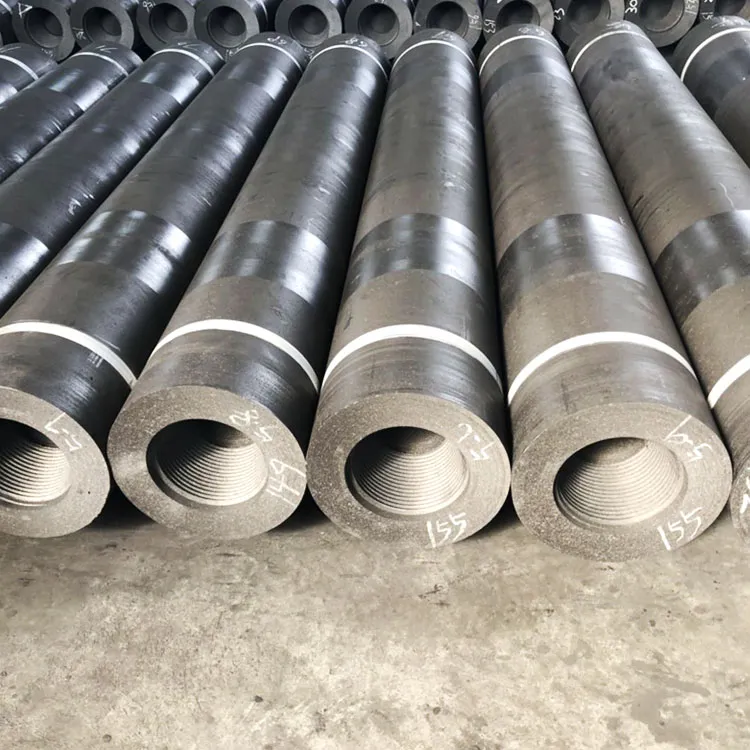
Graphite electrodes serve as the critical interface between your power supply and the molten bath in electric arc furnaces. The dimensional tolerance directly impacts three key operational parameters:
International standards such as ISO 8895:2019 specify strict tolerances for graphite electrodes, with diameter variations typically limited to ±0.5mm for standard sizes. However, Sunrise maintains even tighter controls, often achieving tolerances of ±0.3mm through our advanced manufacturing processes.

Accurate measurement of end face flatness requires both the right tools and proper technique. The feeler gauge method remains the industry standard for field measurements due to its simplicity and reliability.
Engineer's Insight: "I've seen plants lose thousands in production because they relied on visual inspection alone. A 0.05mm gap that looks insignificant can cause arcing that damages both electrodes and furnace linings within hours." — John Reynolds, Senior EAF Maintenance Engineer with 25 years of experience
To measure end face flatness correctly:
For precision measurements, consider using a laser profilometer which can detect deviations as small as 0.001mm, though this equipment is typically found in quality control laboratories rather than on the production floor.
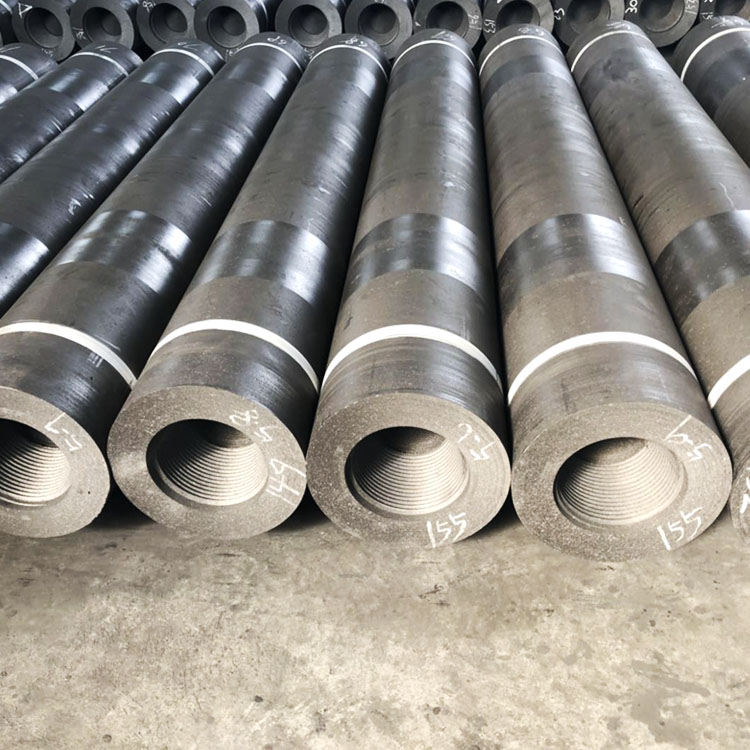
The ideal installation gap between electrodes depends on several factors including electrode diameter, current rating, and furnace design. As a general rule, the gap should be 0.3-0.5% of the electrode diameter, with a minimum of 0.2mm and maximum of 1.5mm for standard sizes.
| Electrode Diameter (mm) | Recommended Gap (mm) | Maximum Allowable Runout (mm) |
|---|---|---|
| 200-300 | 0.4-0.8 | 0.3 |
| 301-450 | 0.6-1.0 | 0.4 |
| 451-600 | 0.8-1.2 | 0.5 |
| 601-800 | 1.0-1.5 | 0.6 |
We strictly employ CNC precision machining technology at Sunrise, ensuring every electrode achieves these critical tolerances consistently. Our multi-step quality control process includes 100% dimensional inspection before shipment, giving you confidence that each electrode will integrate seamlessly with your equipment.
Even with careful attention to specifications, compatibility issues can arise. Here's how to diagnose common problems:
Share your experience in the comments below – our technical team can help diagnose your specific situation.
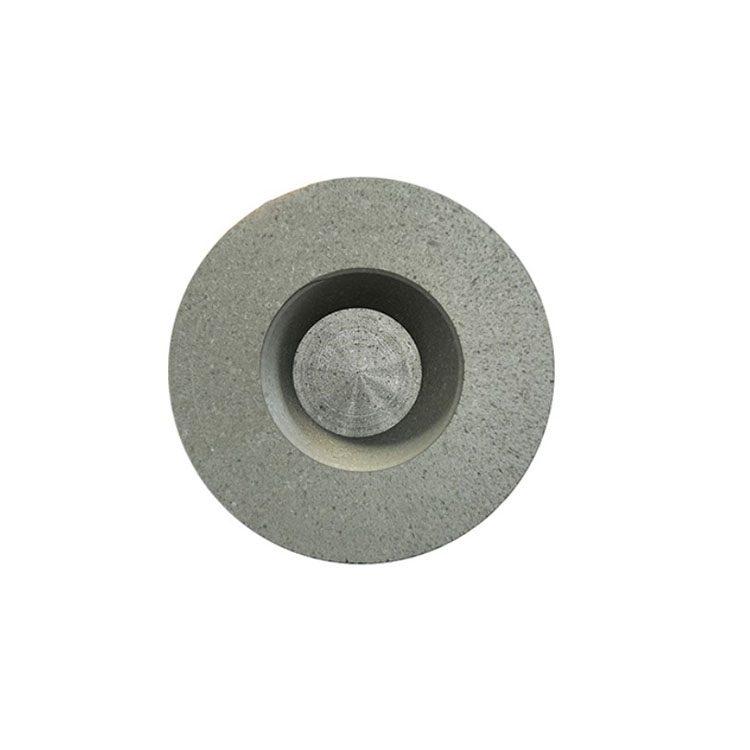
Beyond dimensional accuracy, electrode performance depends on material quality and manufacturing consistency. Our graphite electrodes at Sunrise combine:
These features translate directly to operational benefits: reduced downtime, lower energy consumption, and extended electrode life. Choosing the right electrode isn't just about compatibility – it's about optimizing your entire EAF operation for maximum productivity and profitability.
Discover how Sunrise graphite electrodes can transform your EAF performance with industry-leading dimensional accuracy and material quality.
Request Your Custom Electrode Specification AnalysisRemember, in the competitive world of metallurgy, even small improvements in electrode performance can deliver significant bottom-line results. The precision of your graphite electrodes directly impacts everything from energy efficiency to maintenance costs to overall furnace productivity. By prioritizing dimensional accuracy and proper fit, you're investing in the long-term reliability and profitability of your operation.