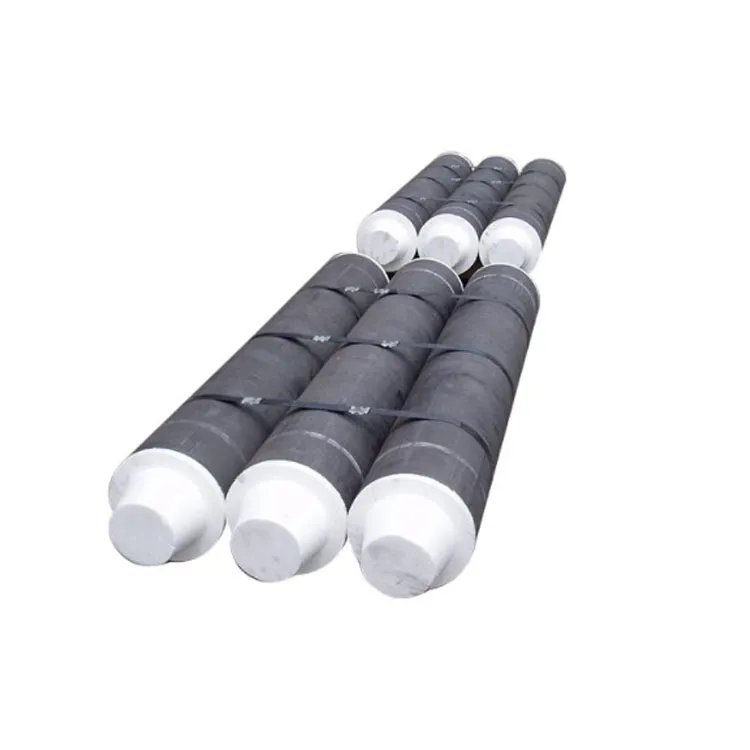
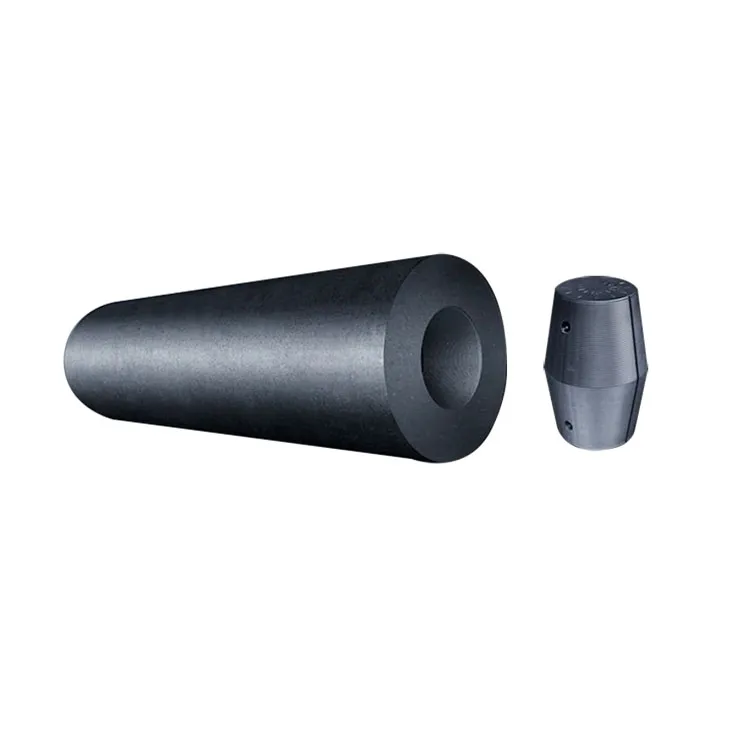
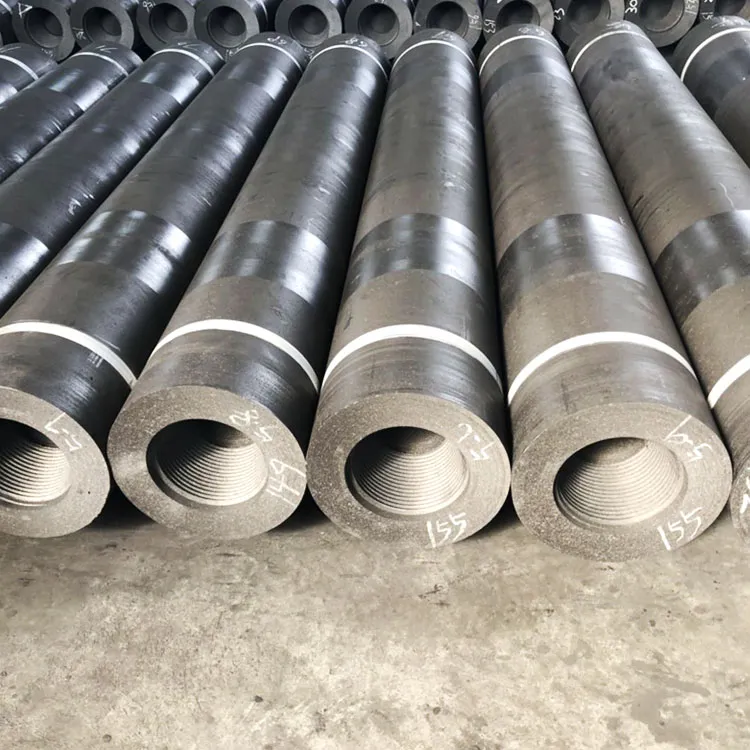
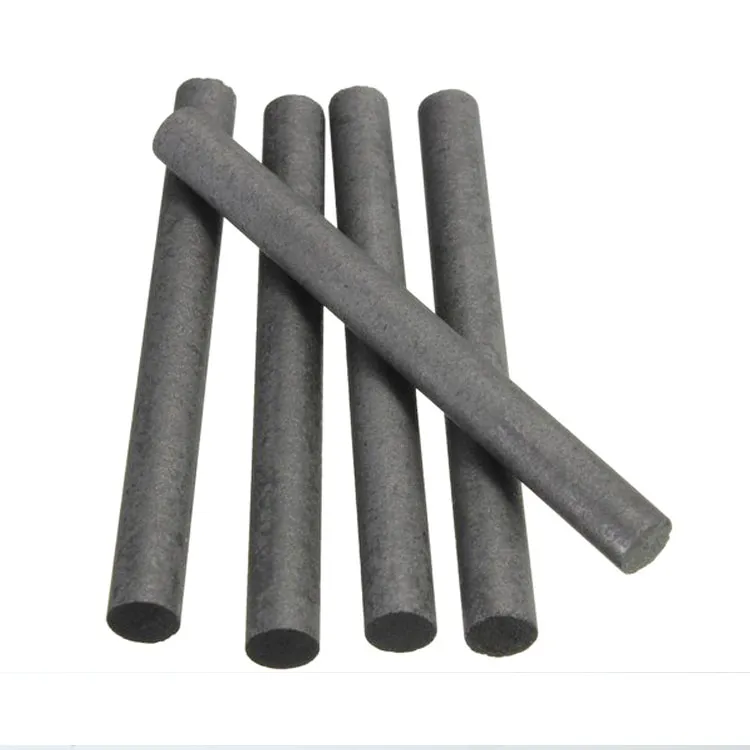
High-power graphite electrodes play a crucial role in electric arc furnaces (EAFs), which are widely used in the steelmaking industry. However, their lifespan is influenced by multiple factors, with material purity and process control being particularly critical. This article delves into how the entire process of electrodes, from raw material proportioning to high-temperature treatment, determines their thermal shock resistance, electrical conductivity, and service life.
The operating environment of EAFs subjects high-power graphite electrodes to extreme conditions, including high temperatures, strong electric currents, and thermal shocks. The temperature inside an EAF can reach up to 1,800°C, and the electrodes must withstand high current densities, which can cause rapid heating and cooling cycles. These conditions pose significant challenges to the electrodes' structural integrity and performance.
The purity of raw materials is a fundamental factor affecting the quality of graphite electrodes. Domestic petroleum coke and imported needle coke are commonly used raw materials. Imported needle coke generally has higher purity and better crystallinity, which can result in electrodes with superior electrical conductivity and thermal shock resistance. For example, electrodes made from high-purity needle coke may have a 15% - 20% longer service life compared to those made from lower-purity domestic petroleum coke.
The precision of the roasting and graphitization processes is also crucial. Uniform roasting ensures that the electrodes have consistent internal structures, while accurate graphitization temperature control can optimize the electrodes' crystal structure. Any deviation in these processes can lead to uneven electrical conductivity and thermal shock resistance, increasing the electrode's wear rate. For instance, a deviation of ± 50°C in the graphitization temperature can cause a 10% - 15% increase in the electrode's consumption rate.
Frequent furnace temperature fluctuations can cause thermal stress in the electrodes, leading to crack propagation and oxidation. The more frequent the temperature fluctuations, the higher the electrode's wear rate. In some cases, a high-frequency temperature fluctuation environment can double the electrode's normal consumption rate.
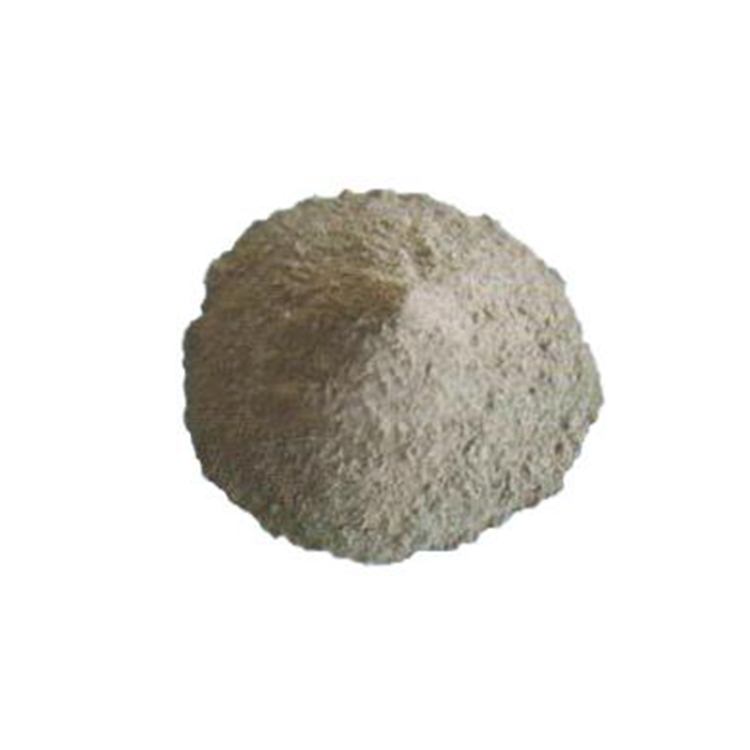
By comparing the electrode consumption rates and damage forms under different working conditions, common failure modes can be identified. These include crack propagation, oxidation peeling, and mechanical damage. For example, in an environment with high current density and frequent temperature fluctuations, crack propagation is more likely to occur, which can ultimately lead to electrode breakage.
To improve the service life of electrodes, several practical recommendations can be implemented. These include optimizing the power-on curve to ensure a more stable current supply, regularly detecting the porosity of electrodes to identify potential problems in advance, and evaluating the thermal shock performance of electrodes to take preventive measures. For example, by optimizing the power-on curve, the electrode's consumption rate can be reduced by 10% - 15%.
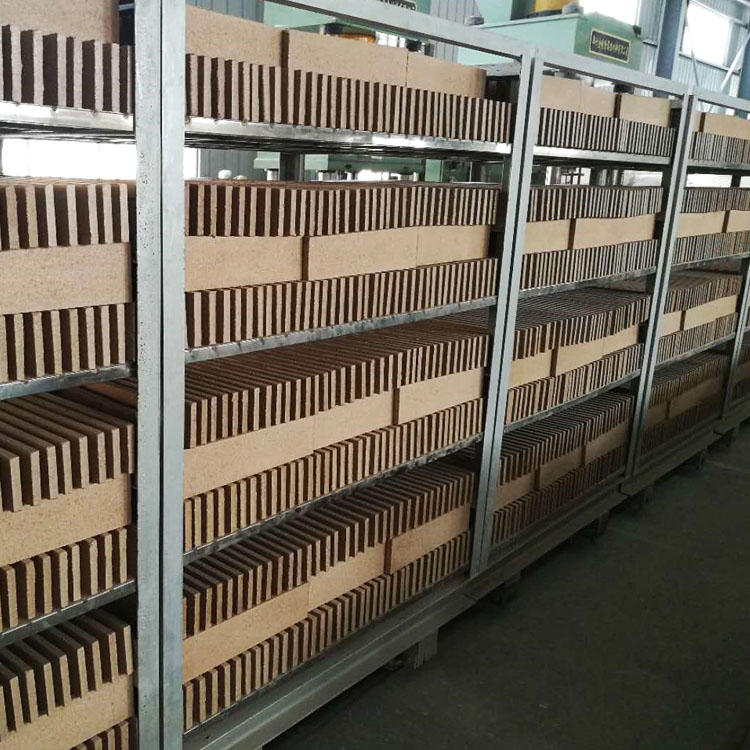
A systematic management approach, covering the entire process from material selection, manufacturing, to operation and maintenance, is essential for enhancing the electrode's service life. By considering all these factors comprehensively, steel enterprises can improve the stability of their equipment, increase production efficiency, and reduce unplanned downtime costs.
If you're looking to optimize the service life of your electrodes and enhance your production efficiency, our company offers high-quality customized graphite electrode solutions. Click here to get a free technical consultation tailored to your production line!